What is a network fee? Why is it different on every chain?
The gas-fee logic behind every payment, and why Morph Payments shows one simple network fee across 8 chains.
Every transaction on a blockchain costs a small amount to process — called a network fee (or “gas fee” on Ethereum-family chains). This fee goes to the validators or miners who confirm the transaction; it doesn’t go to Morph Payments. Morph Payments surfaces the estimated fee to your customer before they confirm, so there are no surprises at the end.
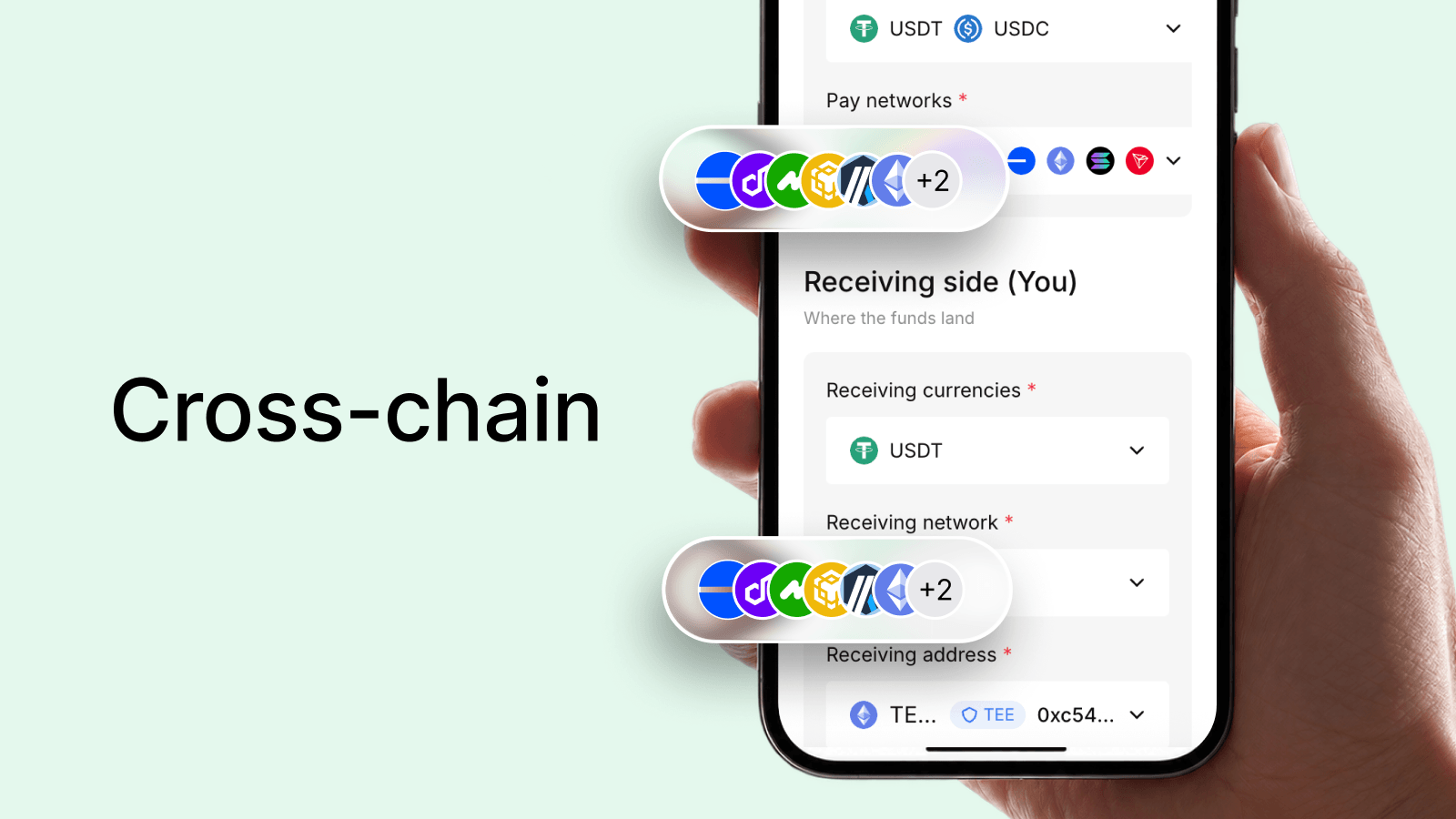
Morph Payments supports 8 networks, each with its own fee structure. Ethereum mainnet tends to be the most expensive; Layer 2 networks like Base, Arbitrum, and Polygon are significantly cheaper. Tron and BNB Smart Chain sit in the middle. When a customer is choosing how to pay, the network fee is one reason they might prefer one chain over another.
Who receives the network fee
The fee goes to the blockchain’s validator network — the computers that confirm and permanently record the transaction. On proof-of-stake chains (Ethereum, Base, Arbitrum, Polygon), fees go to staking validators. On proof-of-work chains and older architectures, they go to miners. In all cases, it is a payment for infrastructure, not a charge from Morph Payments.
What makes fees vary
Two factors determine the fee: the base cost set by the network, and current congestion. When many people are transacting at the same time, validators can charge more because demand for block space exceeds supply. Layer 2 networks (Base, Arbitrum, Optimism) bundle many transactions together before settling them on Ethereum, which is why their fees are a fraction of mainnet Ethereum. The fee shown at checkout is an estimate based on current conditions; the actual fee settled on-chain may differ slightly.
How fees compare across supported chains
As a rough guide: Ethereum mainnet fees are typically $1–$20+ depending on congestion. Base, Arbitrum, and Optimism are usually under $0.10. BNB Smart Chain is typically $0.05–$0.50. Tron USDT transfers are very cheap, often under $1 but require a small TRX balance for bandwidth. Polygon fees are generally under $0.01. These are approximate ranges — actual fees fluctuate with network conditions.
How Morph Payments shows fees to your customer
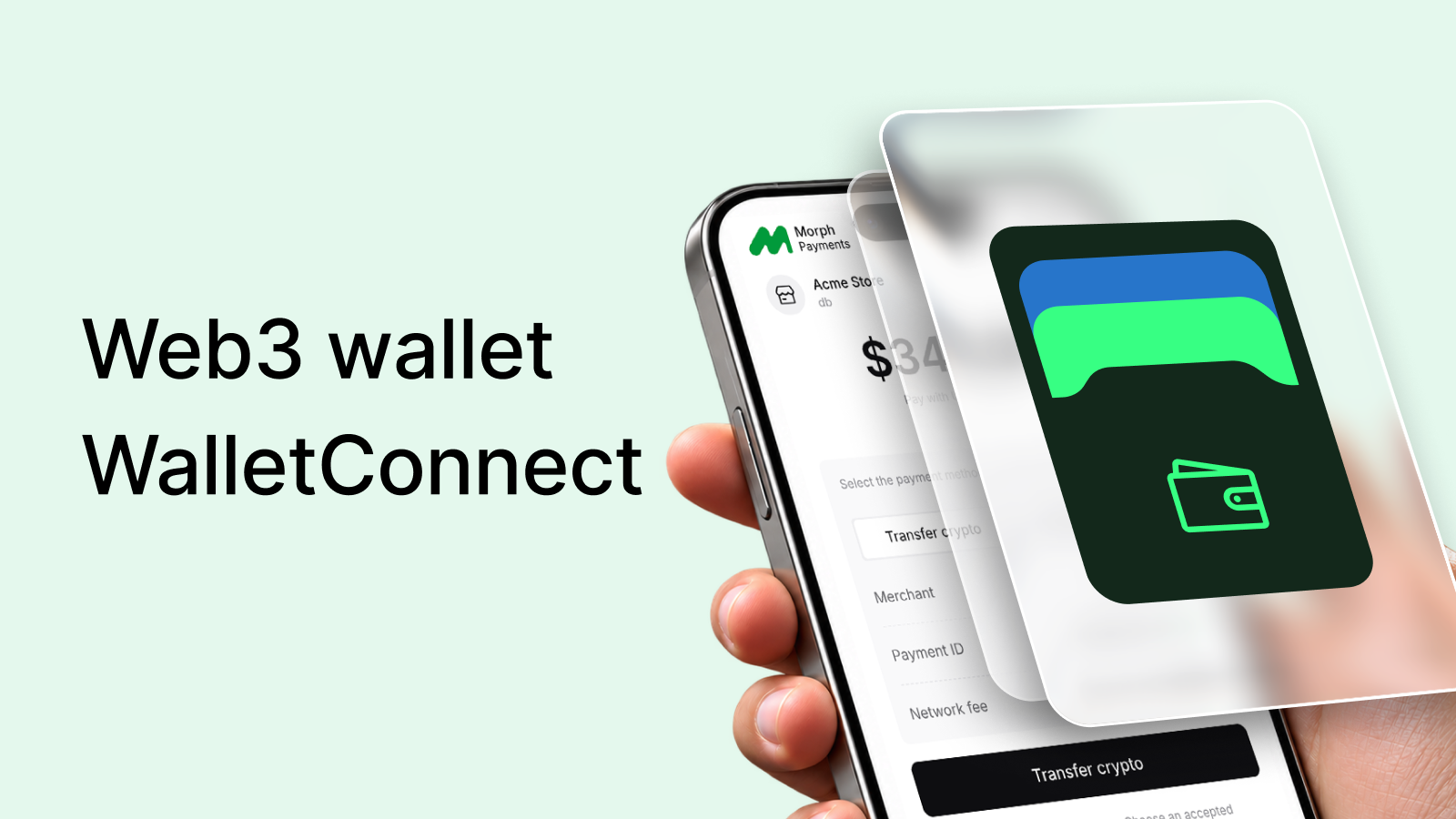
Before your customer confirms a payment, Morph Payments’s checkout shows an estimated network fee alongside the payment amount. This is pulled in real time from current blockchain conditions. The customer can see exactly what they’ll pay in total before committing. If they’re paying via manual transfer, they will pay the fee inside their own wallet when they send the transaction; the fee estimate may not be shown in Morph Payments’s UI in that case.
Can the fee change after a payment request is created?
Yes. The network fee estimate shown at checkout reflects conditions at the time of checkout, not when the payment request was created. If network congestion spikes between the time you created the link and the time your customer pays, the fee your customer sees will be higher. The payment amount itself — what you receive — is fixed when you create the request; only the fee the customer pays on top changes with network conditions.